
Can I Install a Backup Generator to Provide Power During an Outage, and What Are My Options?
A backup generator can be a lifesaver during a power outage, providing electricity to keep your home’s essentials running until power is restored. In this blog post, we will discuss the options for backup generators and what you need to know before installing one.
Section 1: What is a Backup Generator?
A backup generator is a device that can provide power to your home during an outage. The generator is installed outside your home and is connected to your electrical system through a transfer switch. The transfer switch ensures that the generator can safely provide power to your home without backfeeding into the electrical grid, which can be dangerous for utility workers.
Section 2: Types of Backup Generators
There are two types of backup generators: portable and standby. Here’s what you need to know about each:
-
- Portable Generators: Portable generators are smaller, less expensive, and can be moved around. They run on gasoline or propane and must be manually started during an outage. Portable generators are best suited for powering essential appliances and devices like refrigerators, lights, and electronics.
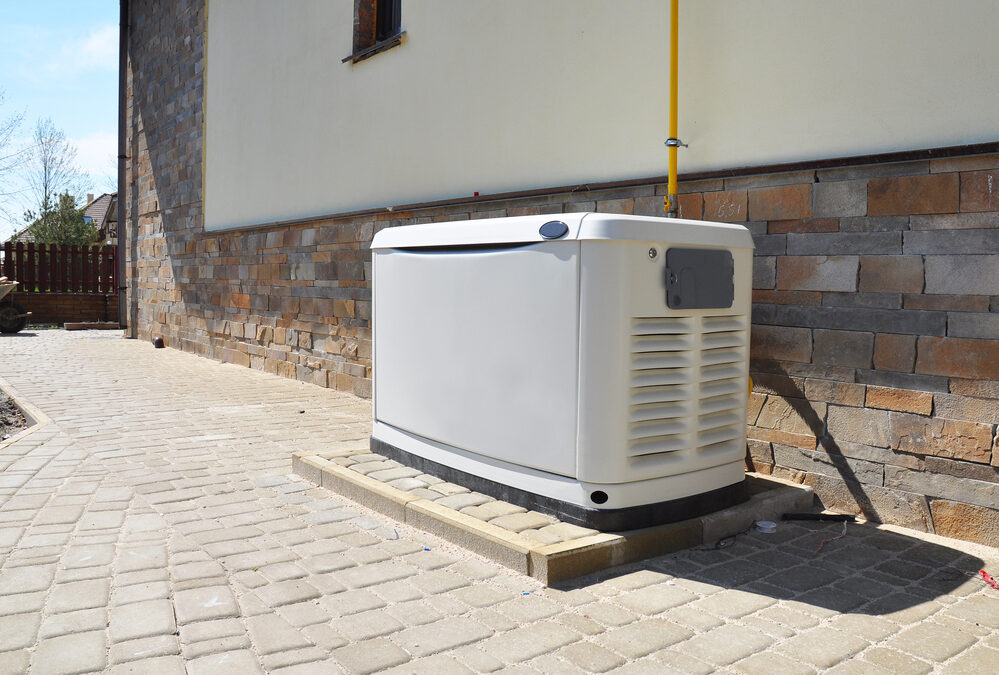
- Standby Generators: Standby generators are larger and more expensive, but they can provide power automatically during an outage. They are installed outside your home and connected to your electrical system through a transfer switch. Standby generators run on natural gas or propane and can power your entire home, including heating and cooling systems.
Section 3: Choosing a Backup Generator
When choosing a backup generator, consider the following:
- Power Needs: Determine what appliances and systems you want to power during an outage to determine the size of the generator you need.
- Fuel Type: Choose a generator that runs on a fuel type that is readily available in your area.
- Installation: Consider the cost of installation and whether you want a portable or standby generator.
- Noise Level: Generators can be noisy, so consider the noise level of the generator you choose, especially if you have close neighbors.
Section 4: Installation and Maintenance
Once you’ve chosen a backup generator, it’s important to have it installed by a licensed electrician. A professional electrician can help determine the proper location for the generator, install the transfer switch, and ensure the generator is installed safely and up to code. Regular maintenance is also important to ensure the generator is functioning properly and ready to use during an outage.
Conclusion:
Installing a backup generator can provide peace of mind during a power outage, but it’s important to consider your options and choose the right generator for your needs. Whether you choose a portable or standby generator, have it installed by a licensed electrician, and make sure it’s properly maintained. With a backup generator, you can keep your home’s essentials running during an outage and avoid the inconvenience and potential dangers of a prolonged power outage.